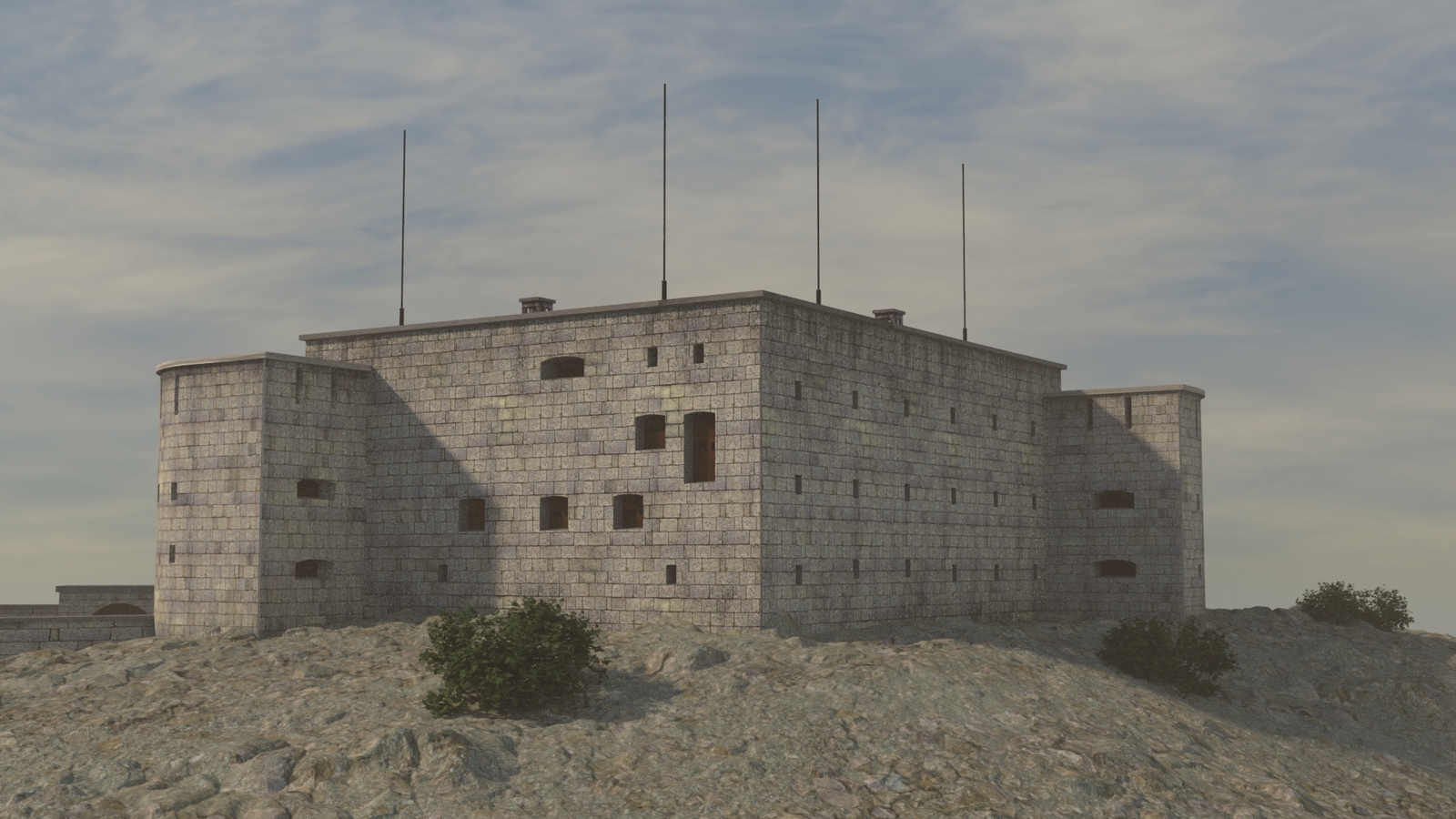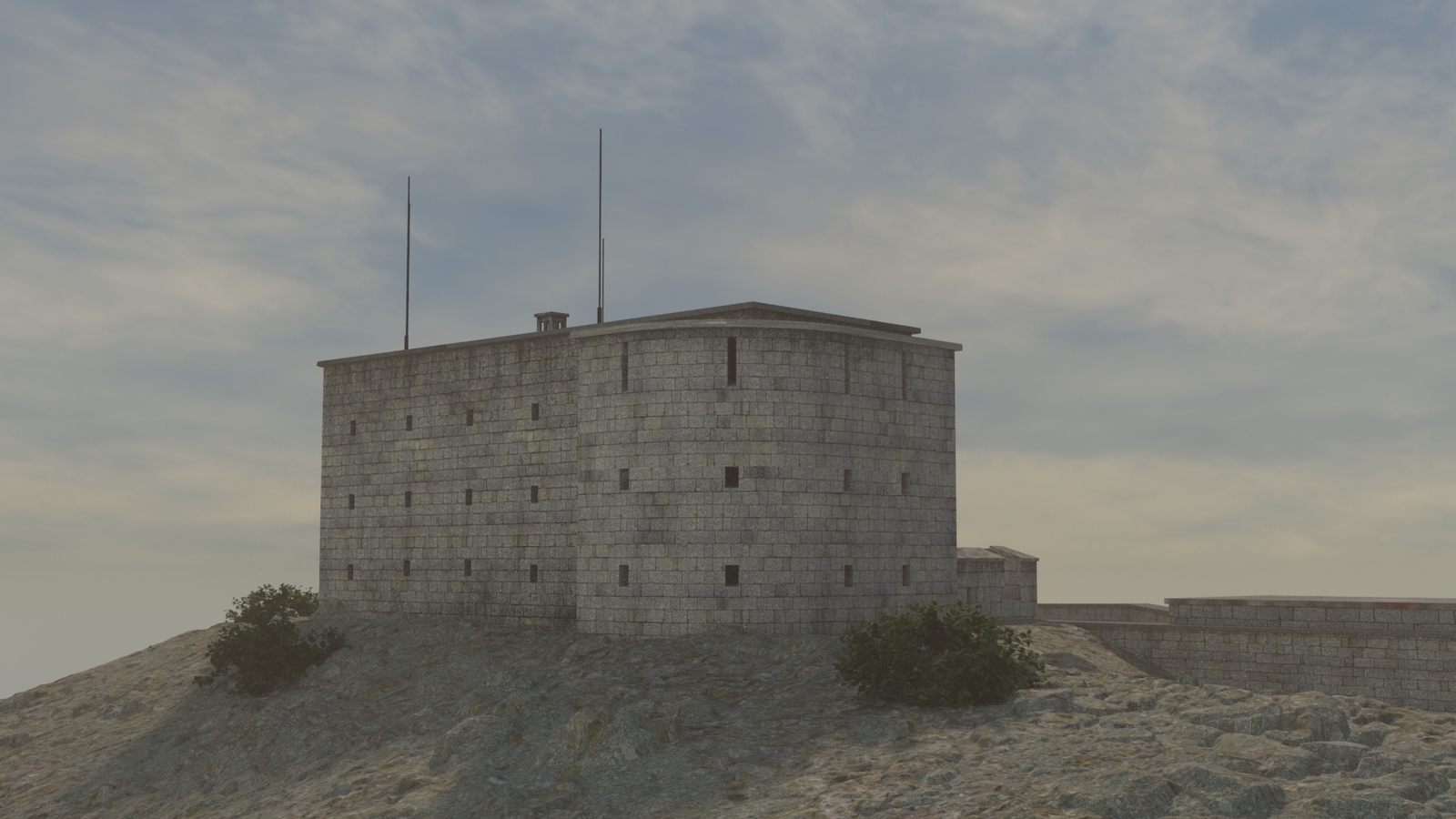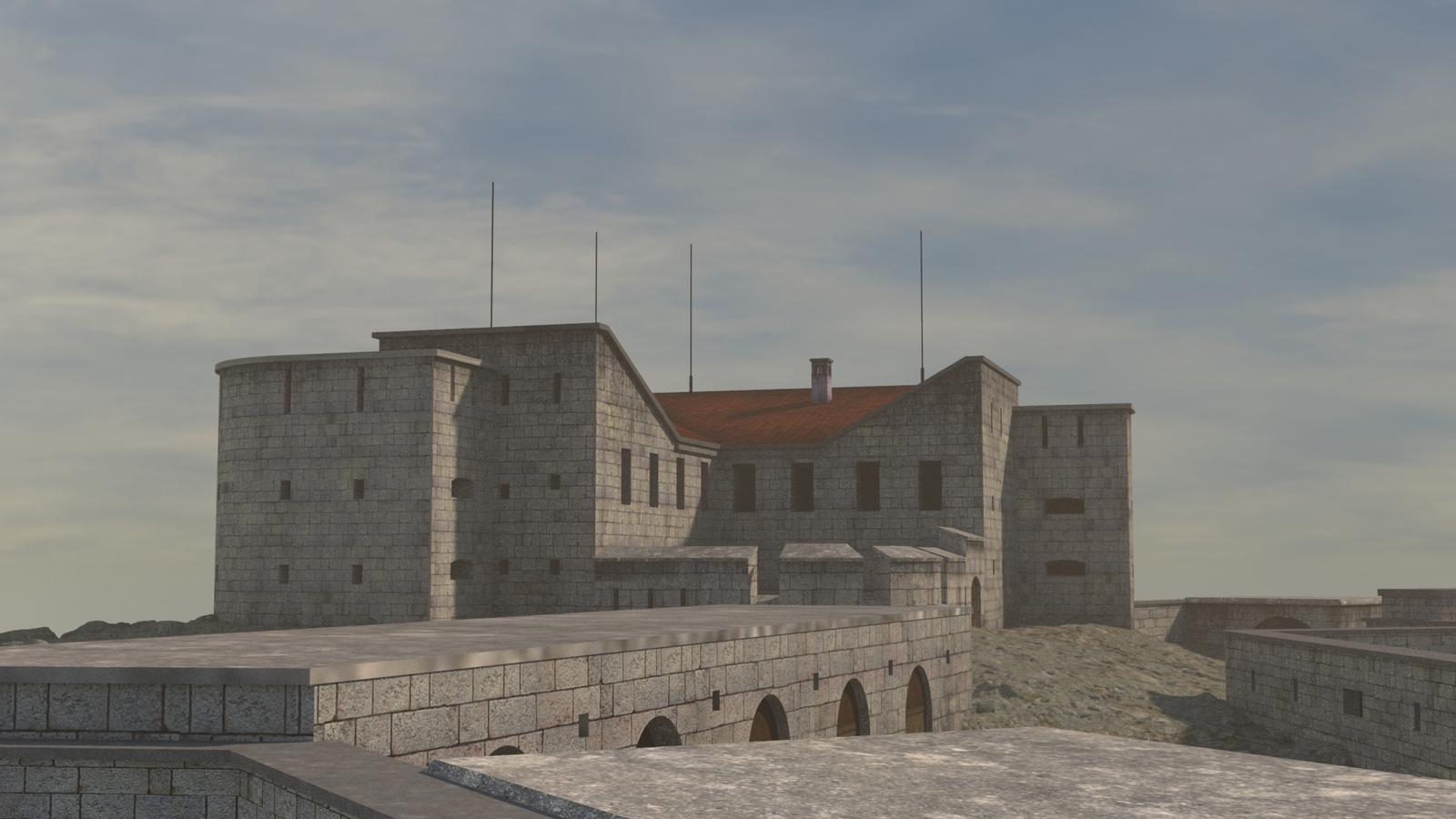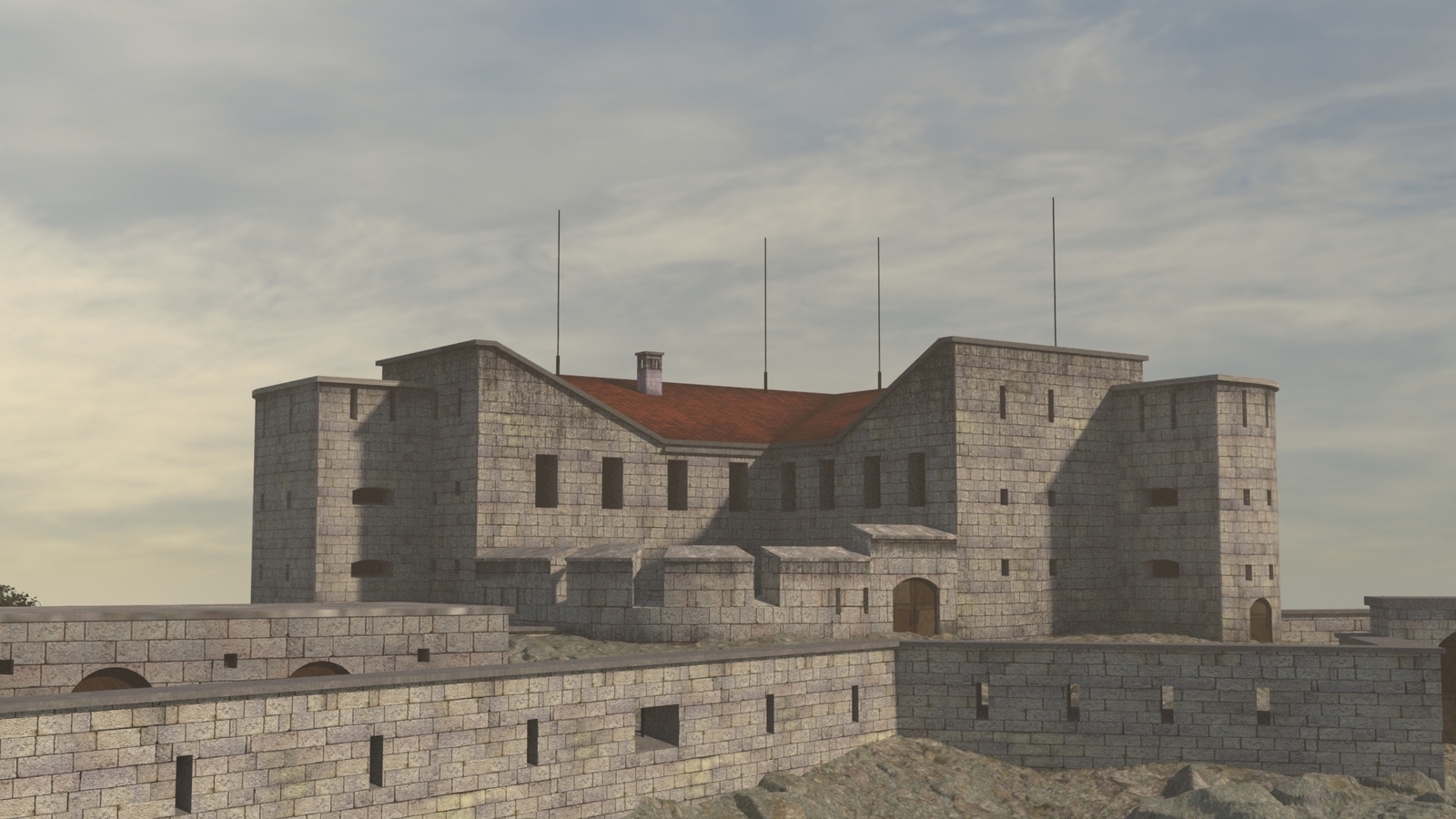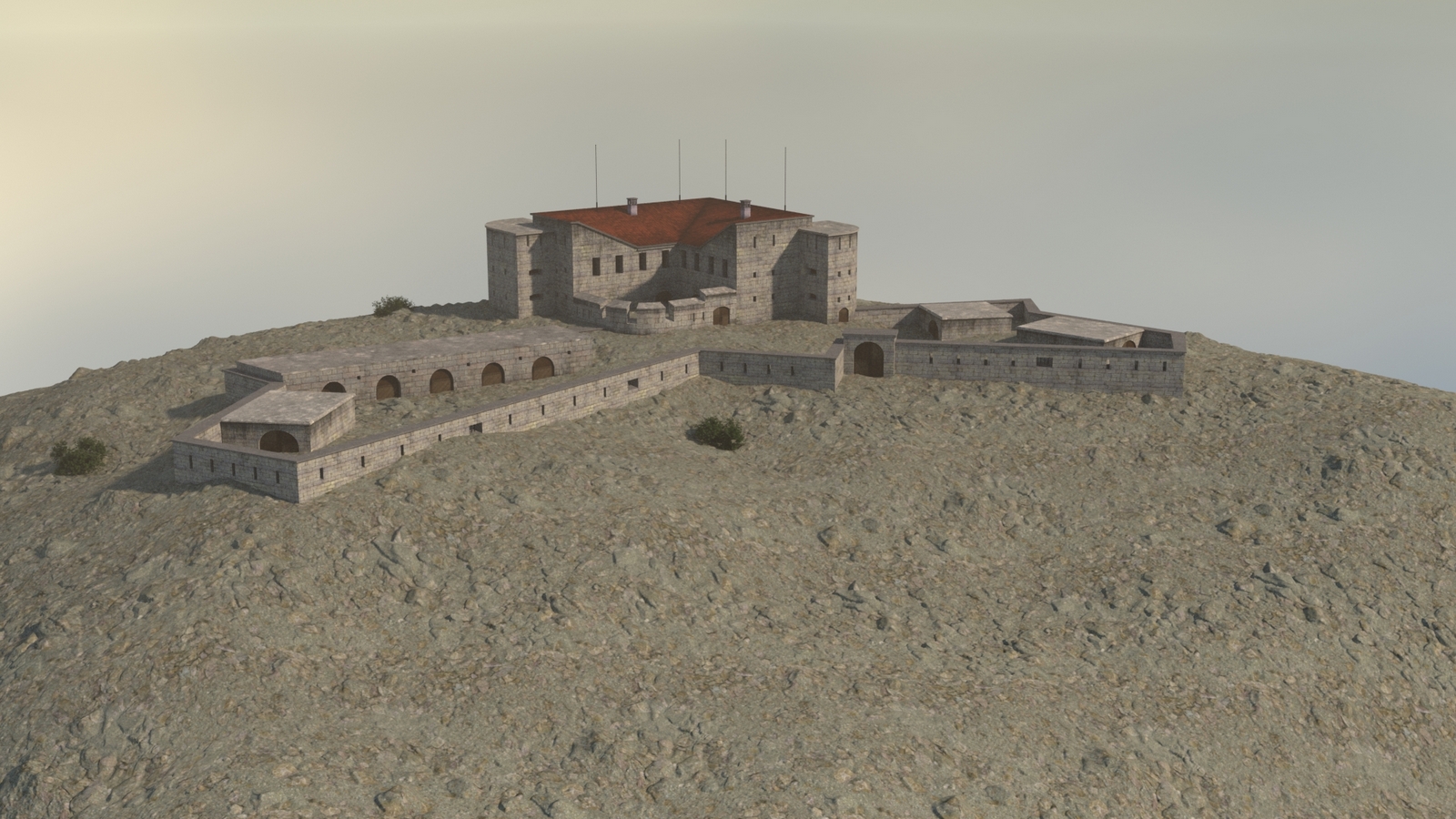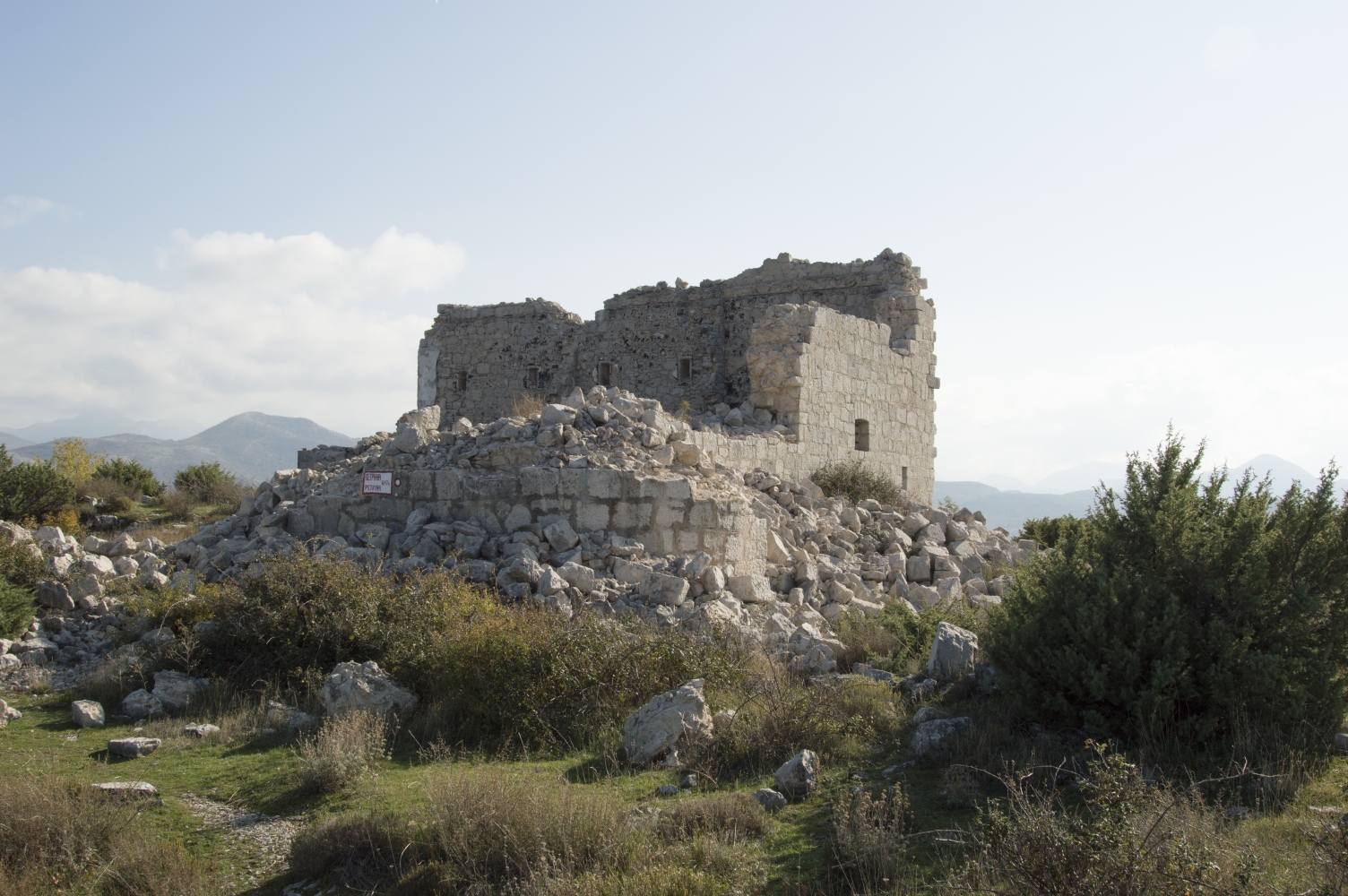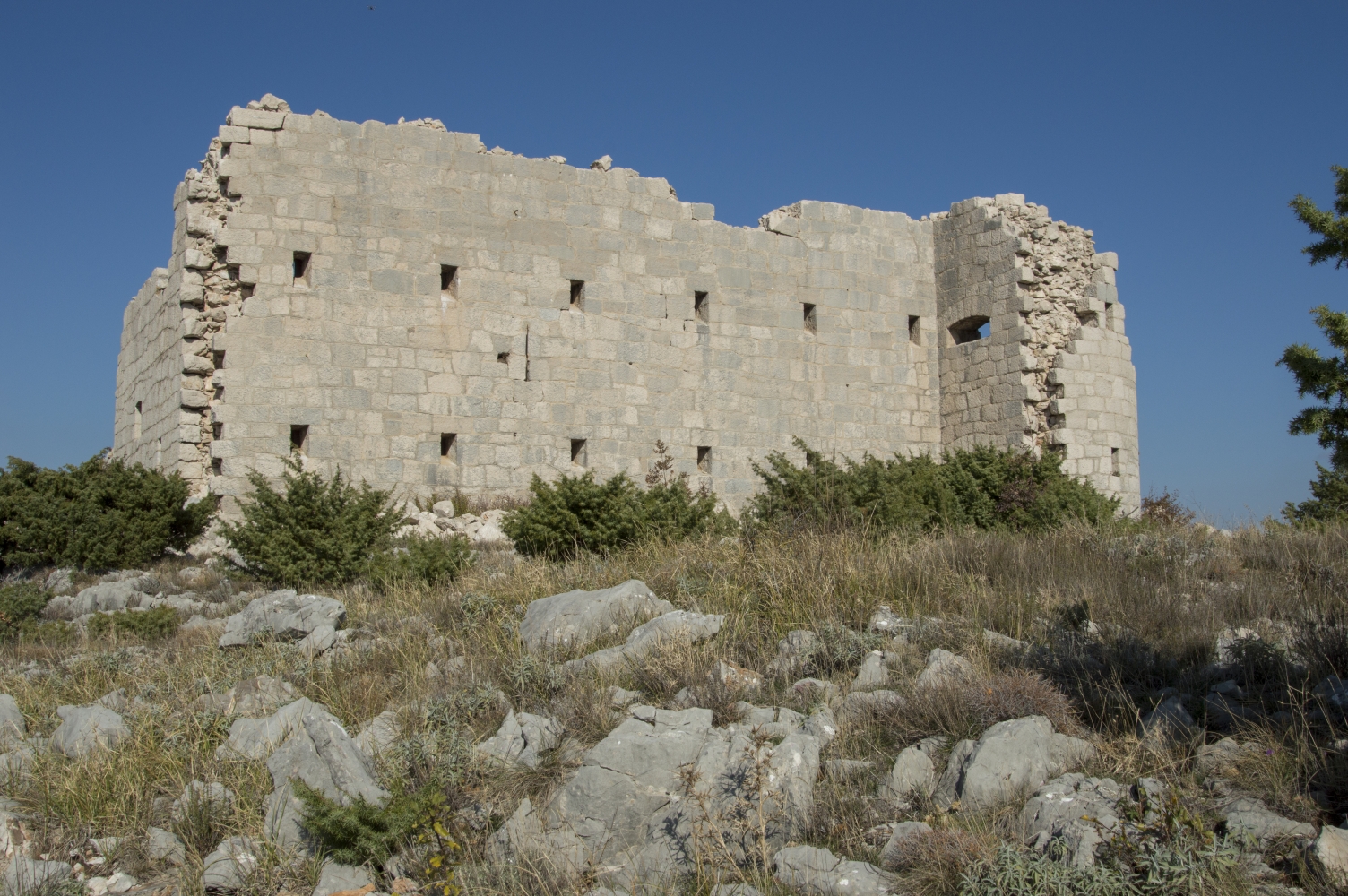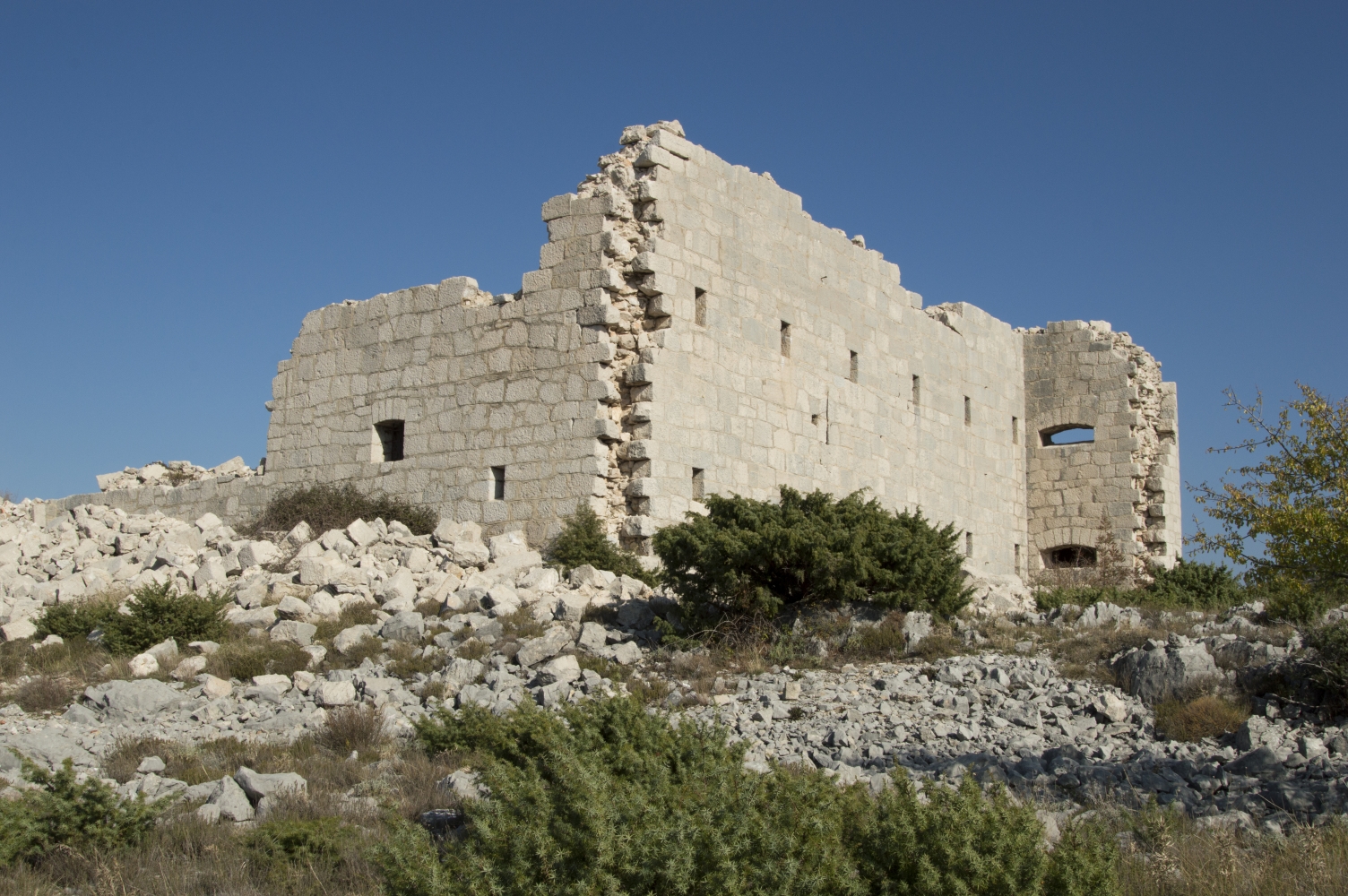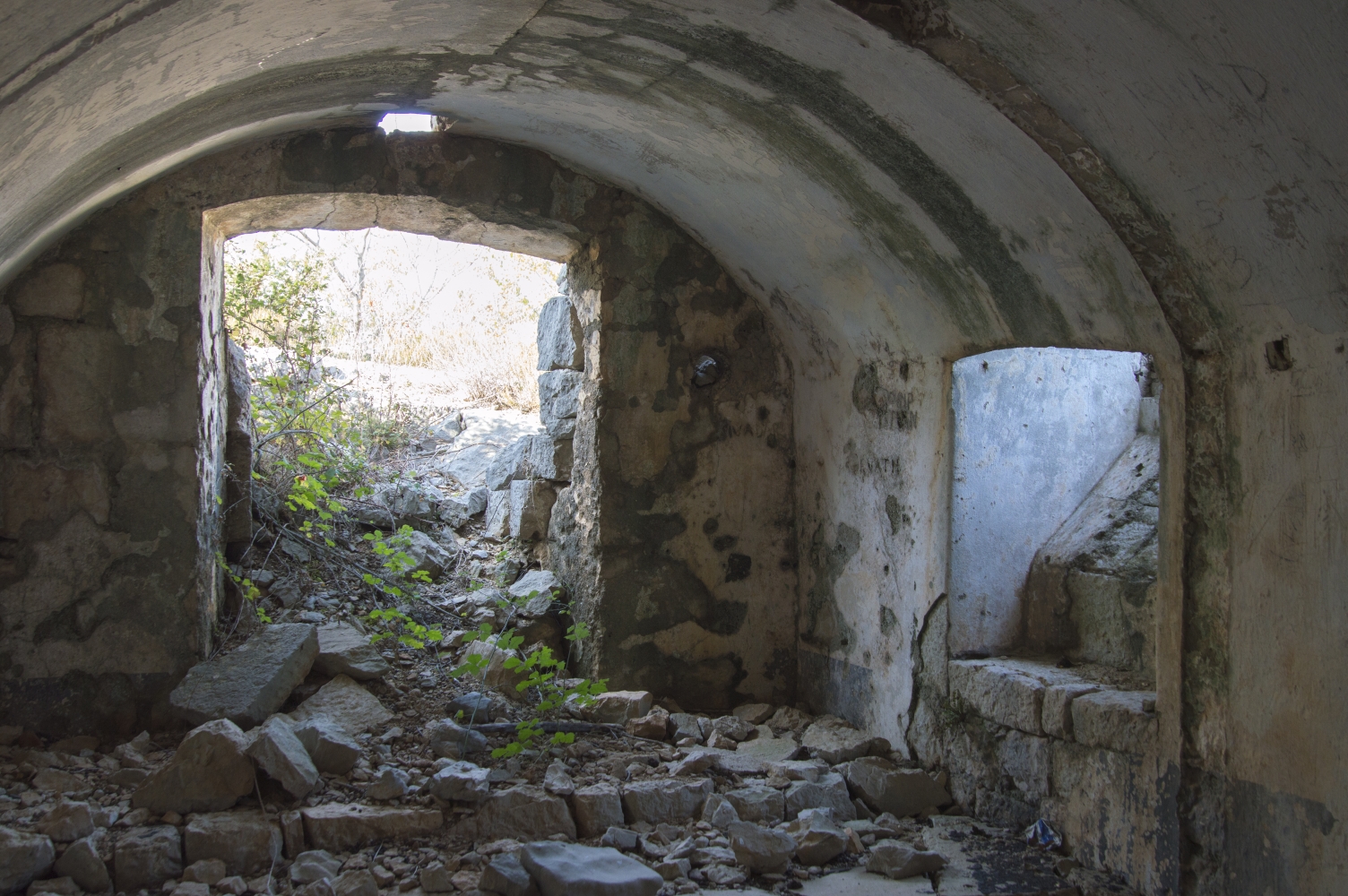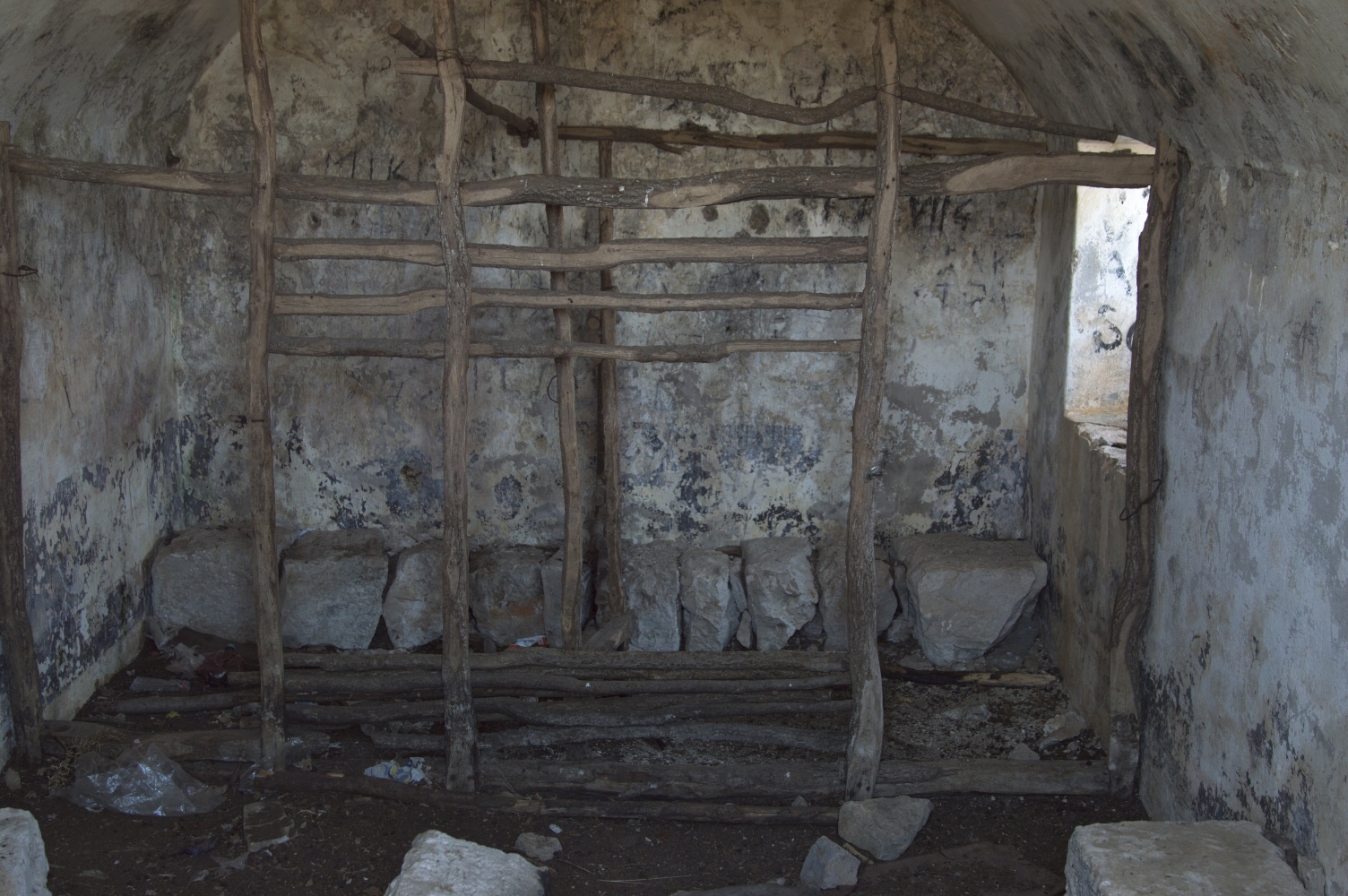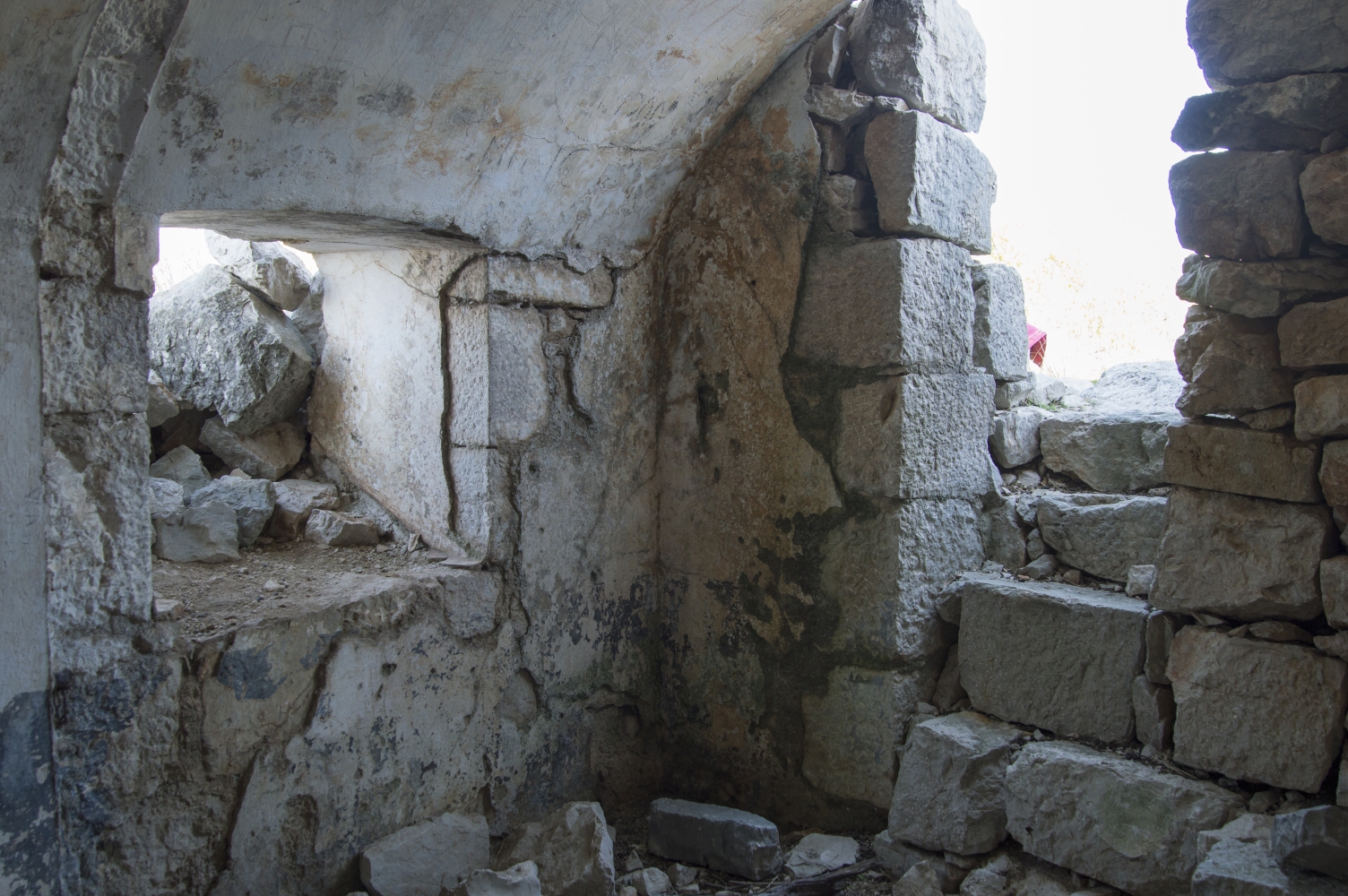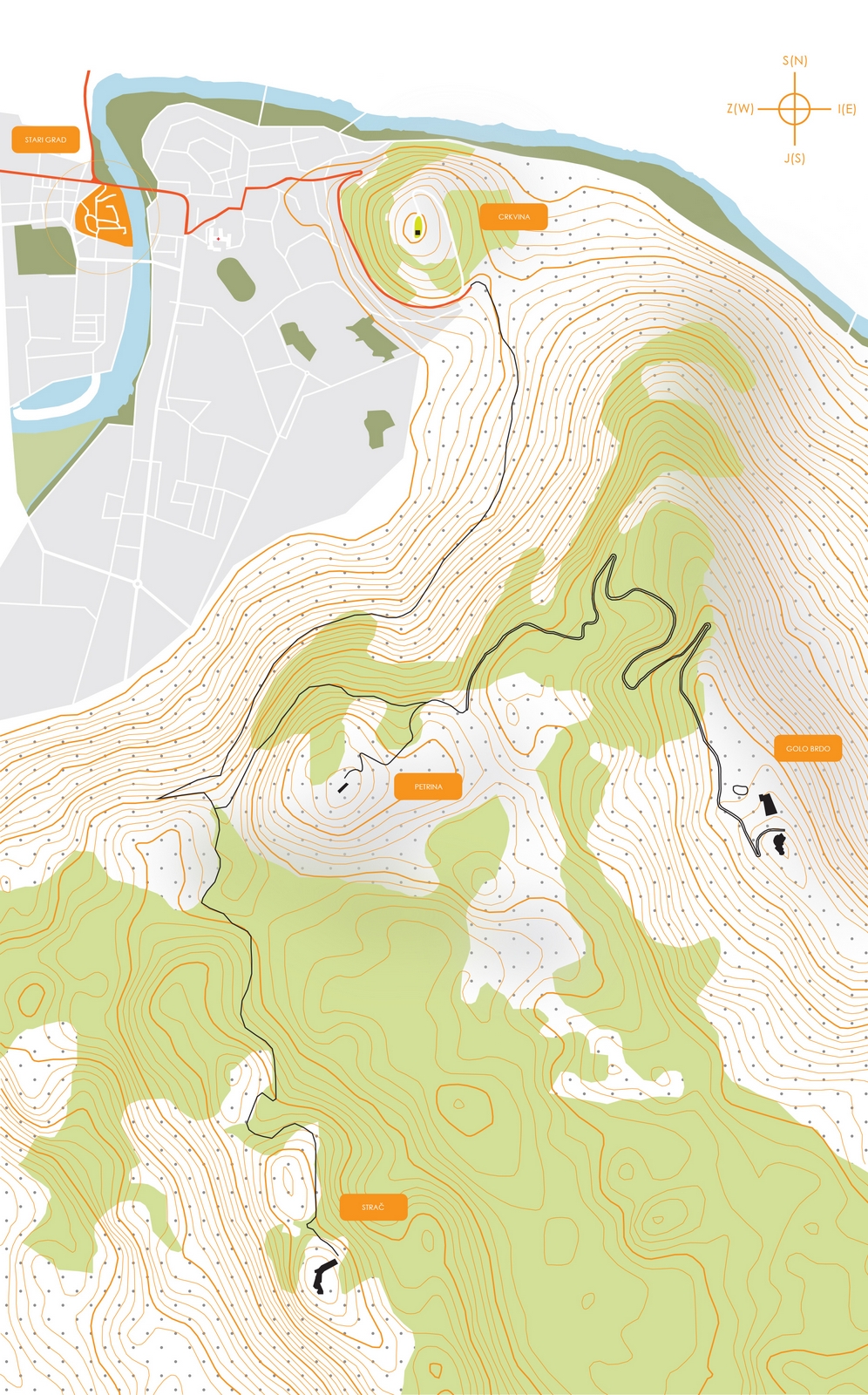
The Petrinja VIII Guardhouse was equipped with open batteries for weapons on both flanks and thus became a fortress. It is located at an altitude of 646 meters above sea level, on the site of a previous fortification from the Ottoman period. It was constructed between 1883 and 1884 and expanded in 1887 and 1888.
Initially a guardhouse fortification, it was designated as Wachhaus VIII, but when two ‘annex batteries’ with cannons were added to its flanks, it rose to the category of Werk VIII. The base of the fortification forms an L shape with a courtyard between the wings.
According to plans from 1914, it was armed with five 90 mm M1875/96 cannons on two platforms with eight gun mounts and manned by one commanding officer and 77 soldiers (of which 38 infantry, 36 artillery and three in charge of telegraph and telephone communication).
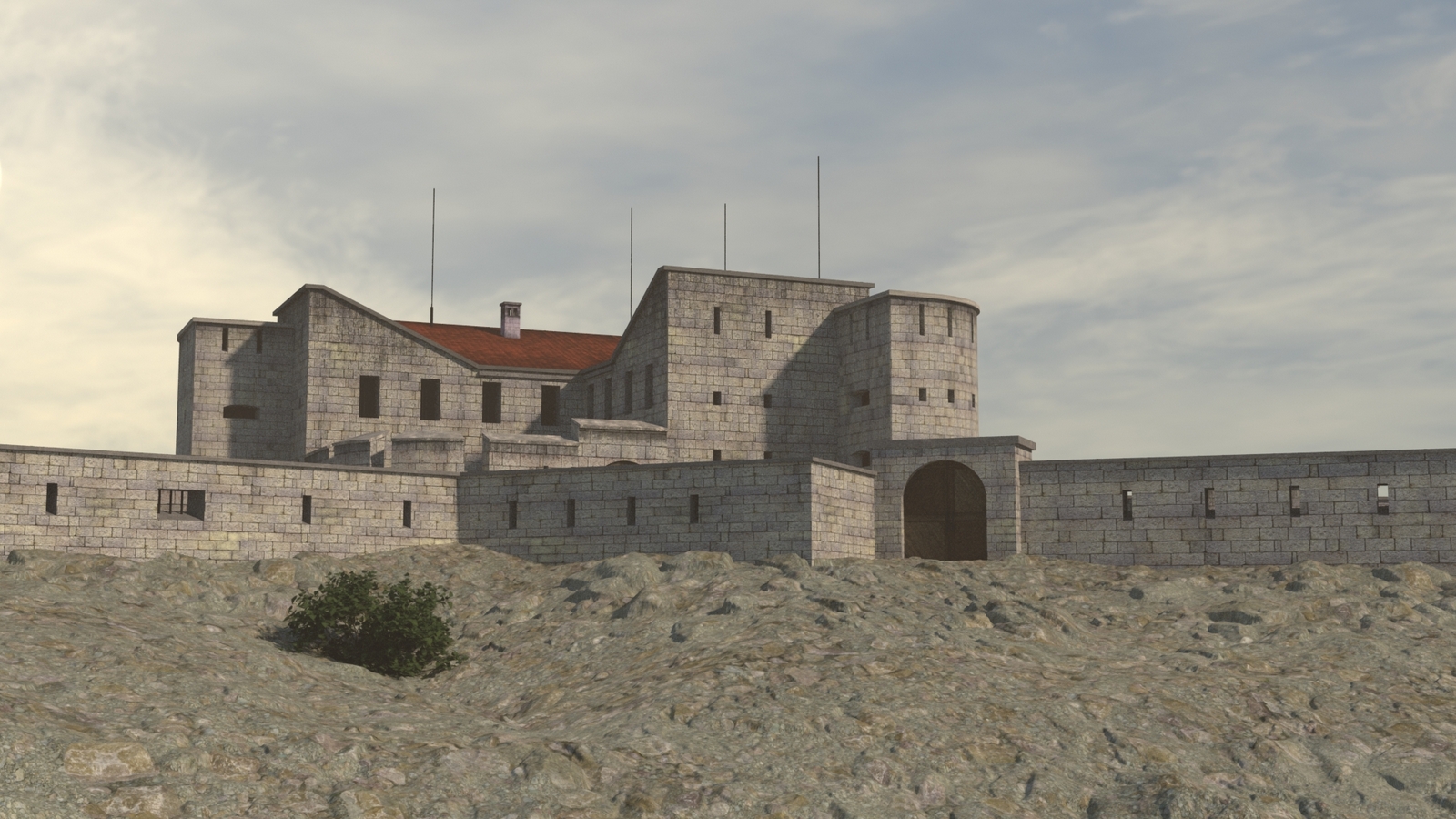
It had semi-circular caponiers in two corners with open platforms for rooftop surveillance. The structure included a cellar, a ground floor opening onto the courtyard, one floor above and an attic with embrasures.
The water cistern located underground could collect 59 cubic meters of rainwater from the roof. The platform had an additional 500 litre water tank. It was also equipped with a station for light signalisation and flares, alarm bells, a water pump and army kitchen.
Surrounding it were four rows of barbed wire and its batteries had three or two positions for cannons. Beneath each platform was a shelter and storage space for ammunition, while to the right of the fortification, at a distance of 250 meters, landmines were planted to prevent attacks. It also had a stable for horses and donkeys and a kennel for dogs.
The platform in front of the battlements also had a morgue for soldiers killed in combat.
4K video - Petrina
This project is supported by the Interreg ADRION Programme funded under the European Regional Development Fund (ERDF) and IPA II fund